Blog & Articles
Insights, tutorials, and best practices from my experience in software development, AI, and cloud technologies
All Posts
The 2026 Guide to AI Agent Evaluation in Microsoft Foundry
Testing AI agents usually feels like "vibes-based" guesswork, but Microsoft Foundry’s new evaluation pipeline finally turns it into a real engineering discipline. By using automated evaluators for things like task adherence and coherence, you can catch tool-calling failures and instruction drifting before they hit production. Just keep an eye on the high token costs of "judge" models and the annoying regional limitations, it’s a powerful quality gate, provided you've got the budget and the right Azure region.
What is Microsoft Foundry Agent Service? The Future of Autonomous AI
Microsoft's new Foundry Agent Service is a solid attempt to simplify the messy world of AI agent infrastructure by handling the hosting, security, and scaling for you. While the platform shines with its enterprise-grade "on-behalf-of" authentication and deep integration into Microsoft 365, much of the best tech is still in preview. It’s a powerful shortcut for teams tired of building their own plumbing, but don't let the "no-code" promise fool you—managing costs and model quirks in production will still require some real elbow grease.
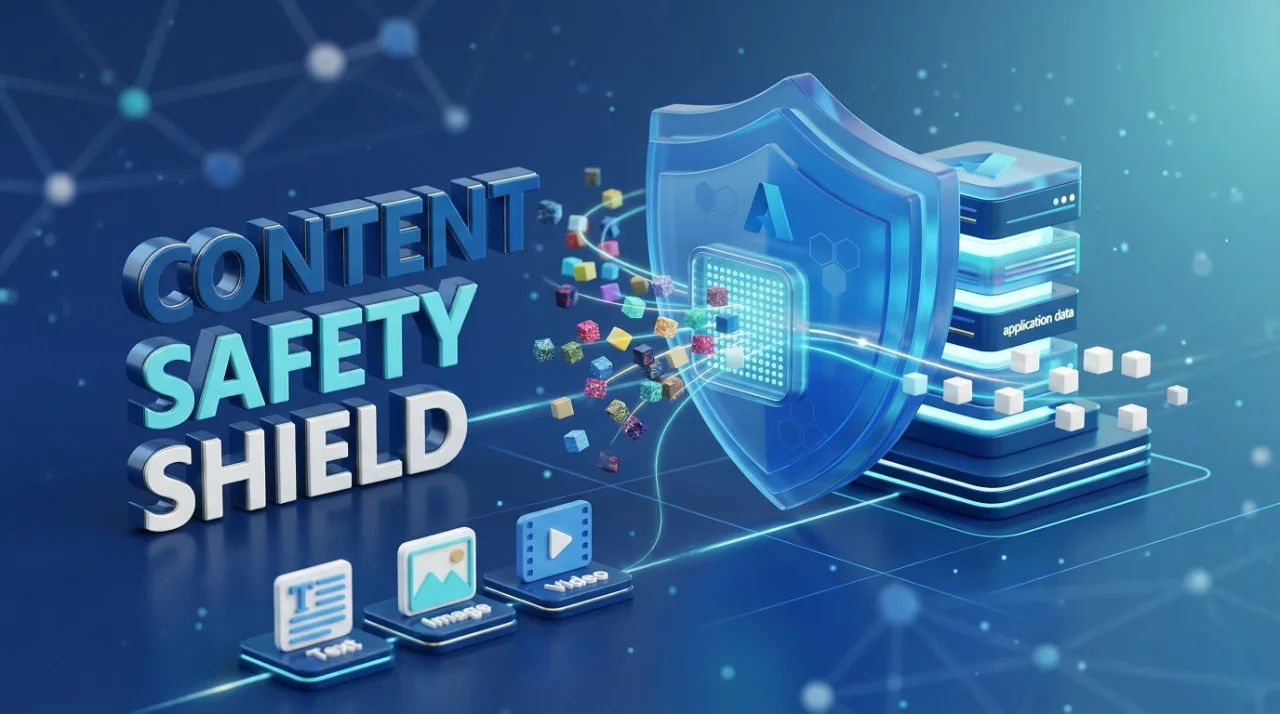
Azure AI Content Safety: The Shield for Next-Gen Applications
Building AI apps is often less about the model and more about keeping the output from becoming a liability. Azure AI Content Safety acts as a crucial moderation layer, offering specialized tools like Prompt Shields and Groundedness Detection to catch jailbreaks and hallucinations before they reach the user. While the platform is powerful and the Content Safety Studio makes prototyping easy, you have to watch out for limited language support and regional availability.
From Principles to Practice: A Roadmap for Responsible AI
Honestly? Every cloud provider has a responsible AI page now. Microsoft, Google, Amazon — they all have one. And most of them say the same thing in slightly different words. But Microsoft's approach with Azure AI Foundry, I have to say, at least tries to give you something you can actually act on. Whether it goes far enough is a different question.
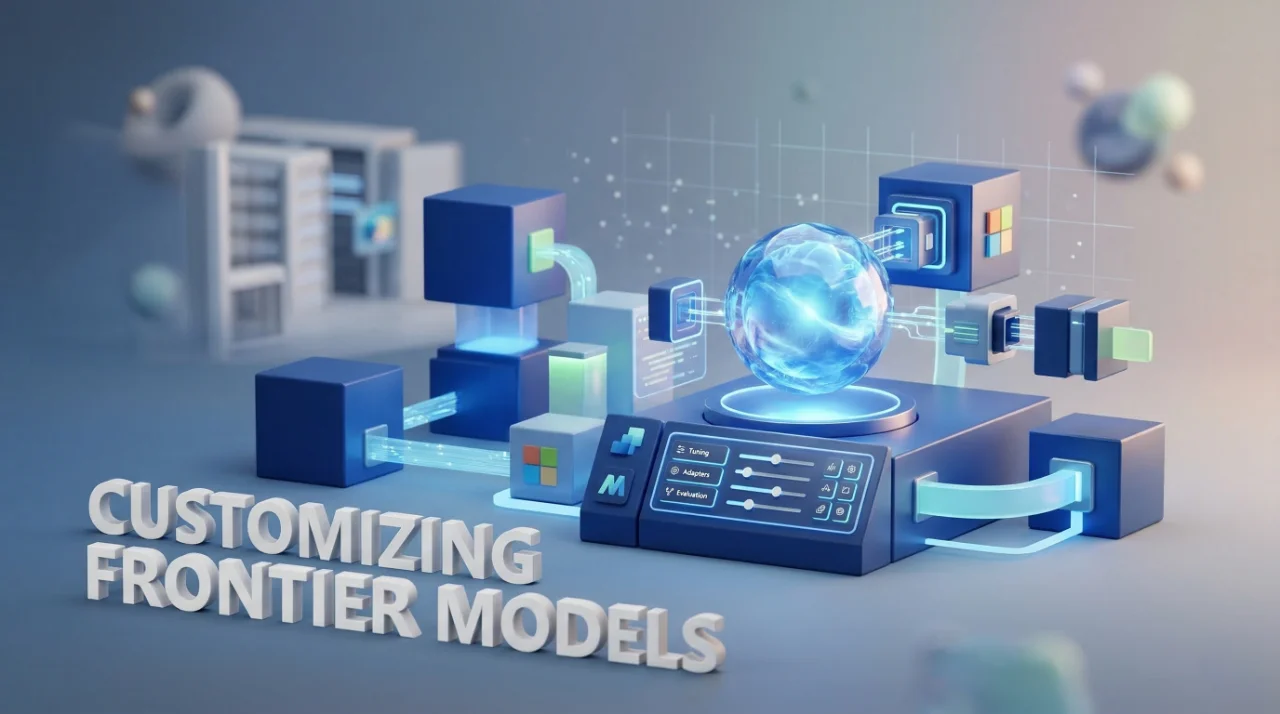
Customizing Frontier Models in the Microsoft Foundry Portal
While prompting is usually enough, the author argues that fine-tuning via Microsoft Foundry is the next step when you need specific formats or complex domain knowledge that base models can't grasp. The process supports models from GPT-4o to Llama, utilizing methods like SFT or DPO, but success depends heavily on high-quality, human-curated data rather than just large datasets.
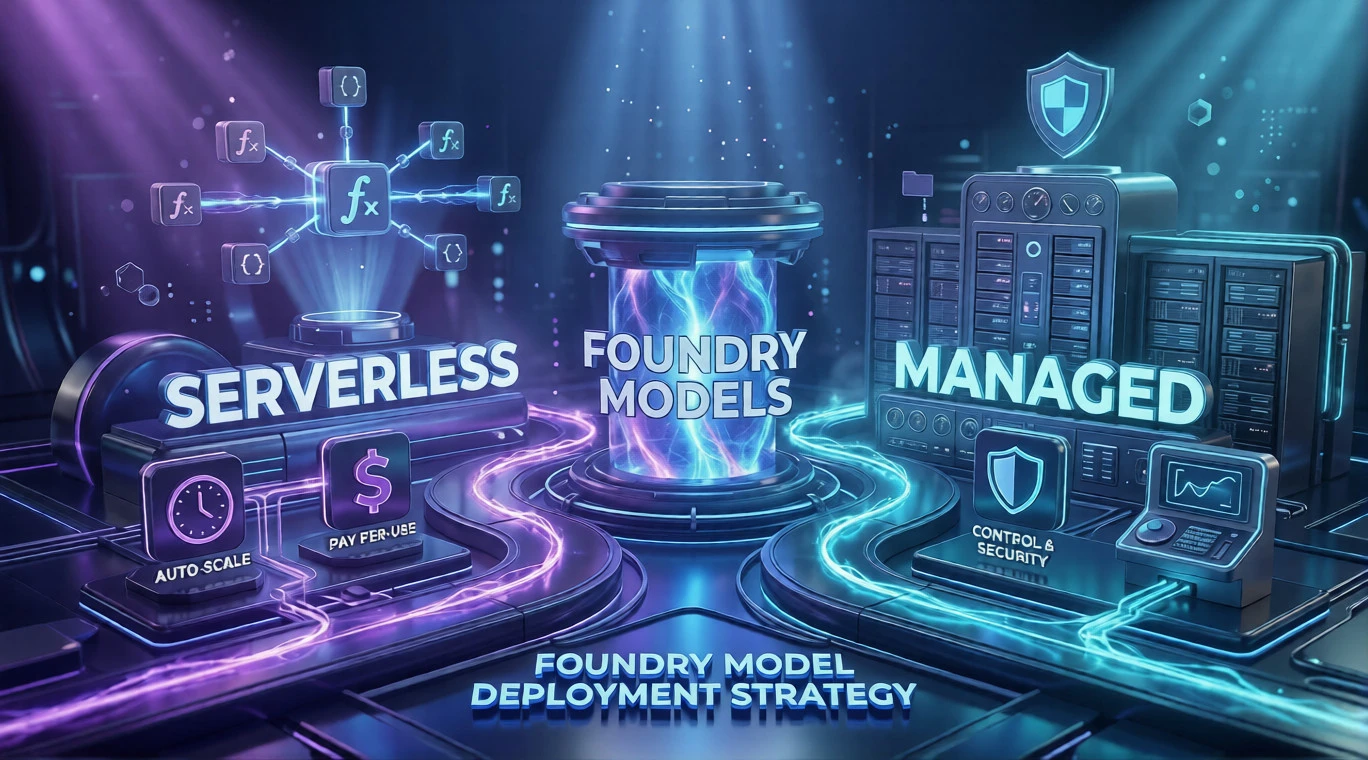
Serverless vs. Managed: Choosing Your Foundry Model Deployment Strategy
Microsoft Foundry offers nine deployment types, but for most of us, it boils down to a choice between pay-as-you-go Global Standard for flexibility or Provisioned for consistent latency. While the 50% savings on Batch is a no-brainer for non-urgent bulk work, the real "gotcha" is that not every model version supports every deployment tier. My advice: start simple with Global Standard to track your real-world usage, then only move to Provisioned or DataZone if your latency spikes or compliance officers force your hand.
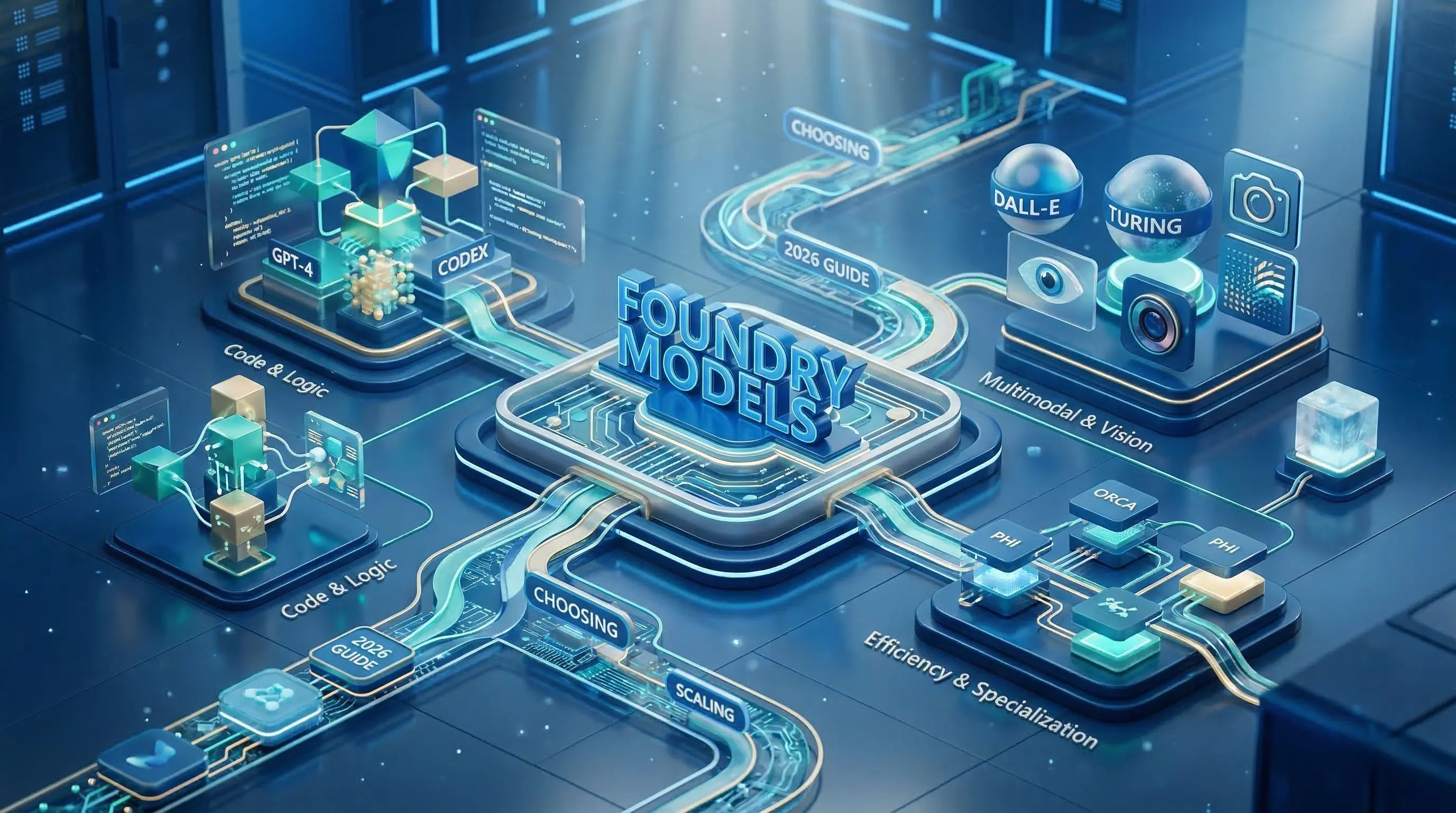
The 2026 Guide to Microsoft Foundry Models: Choosing the Right LLM
The Microsoft Foundry model catalog is getting crowded, with the GPT-5 family alone splitting into a dozen confusing versions like "Pro" and "Codex." While everyone focuses on OpenAI, the real story is that non-OpenAI models like Llama 4 and DeepSeek-R1 are now legitimate, cost-effective competitors available directly in the portal.
Zero to Hero: Setting Up Microsoft Foundry Resources in Minutes
Setting up Microsoft Foundry is finally down to a 5-minute task, provided you don’t miss the --allow-project-management flag during CLI creation. The hierarchy is simple—resource group to resource to project—but remember that "Foundry" is still technically cognitiveservices under the hood. For team access, skip the individual invites and use Entra security groups with the "Azure AI User" role to save yourself a massive administrative headache later.
Mastering the Microsoft Foundry SDK: From Setup to Deployment
The new Microsoft Foundry SDK finally kills the "import hell" of juggling five different Azure AI libraries just to talk to one model. Now, you just need azure-ai-projects and a few lines of code to handle your endpoints and auth in one place. It’s a massive win for Python devs, but keep in mind it’s mostly for LLM work—you’ll still need separate packages for things like Speech or Vision.